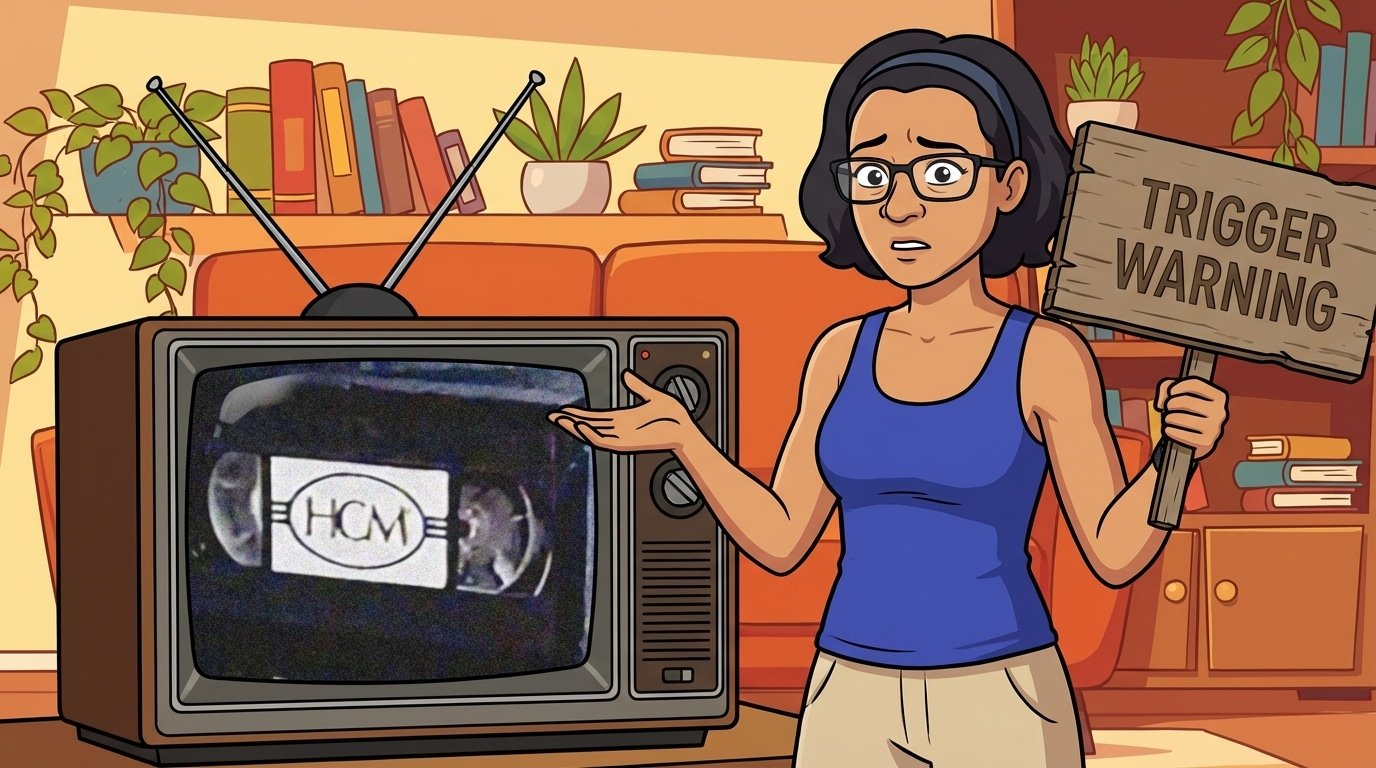
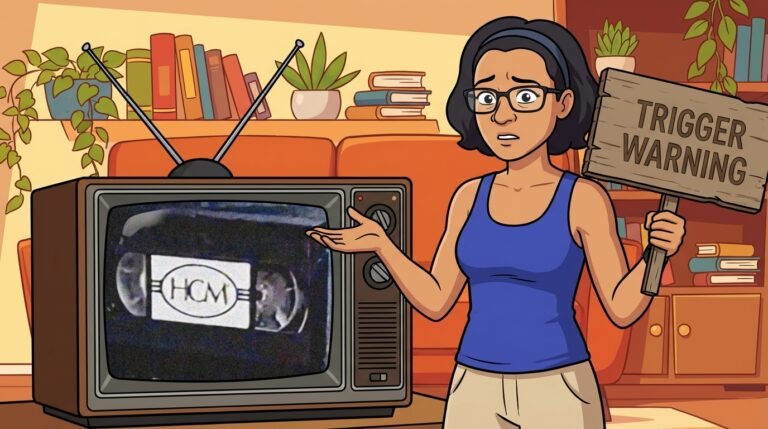
Depending on your age, you may remember a business called Hair Club for Men. The commercial always stayed with me because at some point in the commercial, Sy Sperling would look at the camera and say “I’m not only the Hair Club president, but I’m also a client!” I’ve included a short snippet of it here… and you’ll understand why I opened with this when you get to the end of my post.
Food Deprivation as a Trigger
I came across a post recently that stopped me cold.
A single mom in a parenting group was asking for advice. She said she had a neighborhood kid who keeps coming to her house to play with her son, and every time he did, he was hungry. He was always asking for snacks and eating like he hasn’t been fed. She feels guilty about wanting to dye him food, but she’s on a tight budget. She’s also frustrated because she knows this kid’s family has money. Both parents have solid careers and don’t appear to be struggling financially. She wondered if she would be an a$$hole if she denied him food and told him to eat at home.
People in the comments had all kinds of opinions, ranging from the belief that the kid’s being neglected all the way to the idea that he’s manipulating her. Some said she should set boundaries; others said she should keep feeding him, and everything in between.
I didn’t comment. But it caused me to sit back, hard.
Because I was that kid.
Not the one showing up at a neighbor’s house asking for food (my parents would have whooped my A$$!), but the one who was hungry and couldn’t do anything about it.
What It Looked Like Growing Up
From the outside, my childhood looked good.
Middle-class family.
Two working parents.
Safe subdivision. Nice home.
Got along well with neighbors and were considered “a nice family”.
Roof over our heads, clothes, meals on the table.
But inside our home, access to food was extremely controlled.

We were not allowed to have after-school snacks. Breakfast, lunch and dinner- that’s it. If we complained about being hungry or thirsty between meals, we’d sometimes be told to “swallow spit.” (It wasn’t every time, but it was enough that it became a demeaning, dismissive niggling belief that my needs didn’t (and still don’t) matter.)
There were nights my sister and I were laying in bed, hungry and we had convinced ourselves that we were starving, so we’d sneak into the bathroom and eat little bits of toothpaste.
Let me be clear: we were not starved. We were fed regularly and our parents provided nourishing meals. But we were growing kids who were sometimes legitimately hungry, and how our parents responded to our hunger was not okay. While it’s might be a seemingly small matter to some, the reality is that it shaped me in ways I didn’t understand.
How It Shows Up Now
Fast forward to adulthood, and I can see it clearly and understand where it comes from.
For years, if I came to the table overly hungry, I’d overload my plate because I had an unconscious fear of being denied food later. Even now, if I feel ‘full’, I still finish everything.
These behaviors aren’t really about food. They’re about control, restrictive feeding practices and unmet needs. They were formed as a result of childhood experiences I hadn’t consciously recognized as a problem- until I started doing the work.
Recognizing the Trigger
Reading that Facebook post was a little “Eureka!” moment.
I started thinking about what might cause people to respond (in the comments) the way they did, and quickly recognizing that we have different experiences taht drive our decision-making and behavior. I mean, let’s be serious- this is hardly rocket science. It just makes sense!
Reading that woman’s story and query unlocked all these memories and realizations about how my childhood experiences impact why I, as an adult, behave around food the way I do.

And whenever I remember those experiences, I remind myself that I need to respond with different patterns of behavior. I try to make it a point to notice when the urge to overload my plate hits and recognize where it’s coming from. Even more importantly, I recognize that those behaviors are just symptoms of the real issue. Unfortunately, knowing where it stems from hasn’t been enough to quell my responses. So I’m taking all of those issues and behaviors, including my plate cleaning habit- and addressing them in a future Splankna Splankna sessions.
Why I’m Sharing This
I’m not just a Splankna practitioner. I’m also a client. (see, this is why I included that Hair Club for Men reference!)
I use Splankna for my own healing because I’ve experienced what it does. It helps me shift how I think about old triggers and how I react to them. (I’ll talk about that in my next post.)
Splankna’s not a cure-all. But it’s a powerful tool for getting to the root of triggers and traumas—even the ones that don’t seem like a “big deal.”
Because the reality is that these seemingly small traumas really do affect how we all live, interact, and show up in the world.
What About You?
Do you have triggers you didn’t know existed? Patterns that don’t make sense but feel impossible to break?
You’re not alone. And you don’t have to stay stuck.
Ready to see how Splankna can help you address your own triggers and live with more freedom? Learn more about this Christian-based energy psychology modality and whether it’s the missing piece in your healing journey.